
The NYCHA in Nature Program
Curiosity, Connection, and the Simple Act of Looking Again
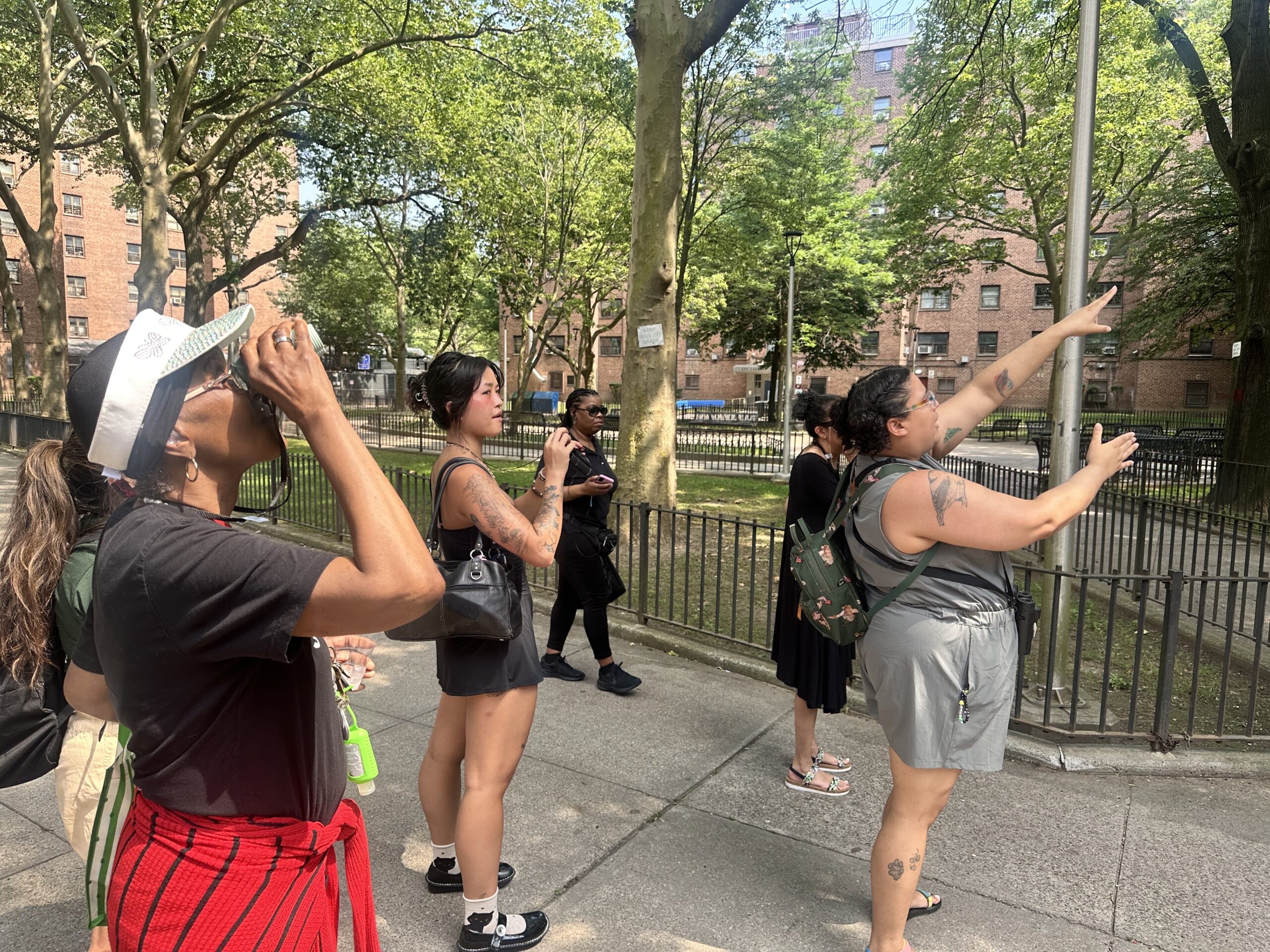
On a chilly fall morning, you might see a small group of NYCHA residents gathering on the grounds of a development, binoculars in one hand and coffee in the other. A few years ago, many of those residents might have said there was “nothing but pigeons” to be seen in that spot. Today, they’re scanning the tree canopy for warblers, listening for sparrows, and debating about whether that flash of green really was a heron.
This shift in perception is exactly what the NYC Bird Alliance and its partners at NYCHA and the Public Housing Community Fund are working to spark through their NYCHA in Nature program, a growing initiative that brings birding, habitat awareness, and community-building directly to public housing campuses.
“NYCHA developments actually contain a tremendous amount of forested and park area; many of them provide wonderful habitats for birds,” explained the Alliance’s Public Programs Manager Tasha Naula in discussing the ecological richness of the extensive tree canopies, lawns, and courtyard habitats on NYCHA campuses.
Launched with the support of the Public Housing Community Fund, the NYCHA in Nature program meets residents where they are. Instead of asking them to travel to established birding hotspots, the NYC Bird Alliance brings binoculars, guides, and naturalists directly to their courtyards and walkways.

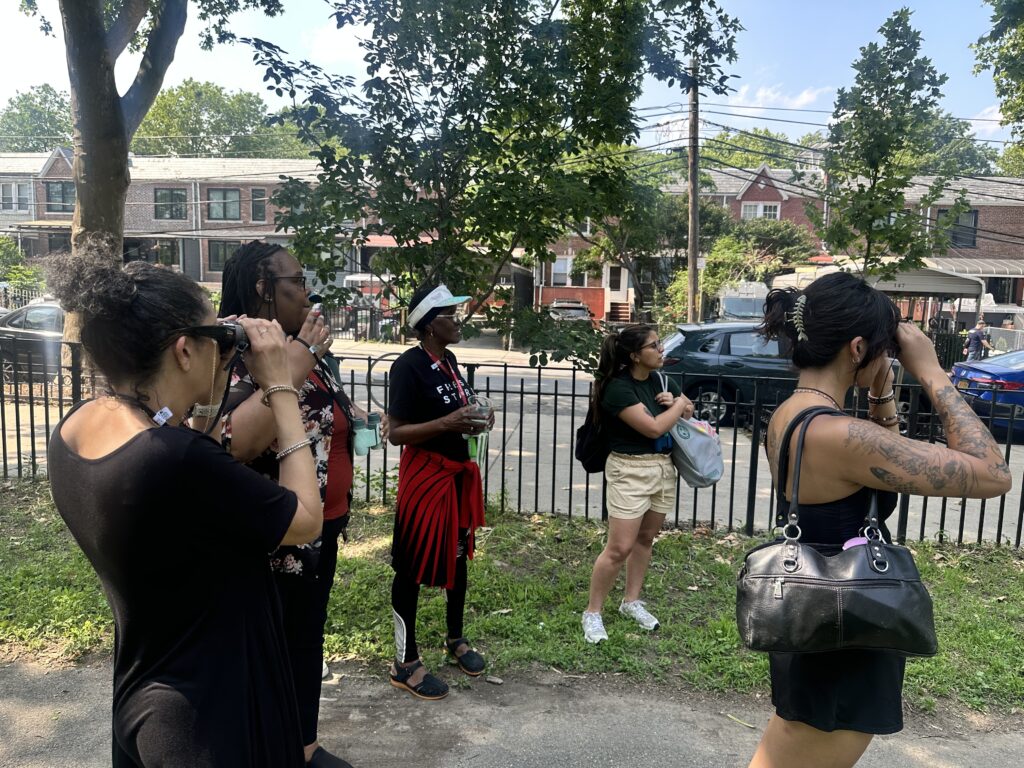
The NYCHA in Nature program brings birding, habitat awareness,
and community-building directly to public housing campuses.
The program’s goals are simple but ambitious: to help residents notice the wildlife around them more deeply, build pride in the natural habitats they reside in, and inspire a new generation of advocates for environmental health and neighborhood well-being.
“We’ve seen that wonderful community-building happens when communities explore nature together,” said Saman Mahmood, the Alliance’s Director of Advocacy and Engagement. “Engaging with the habitat in their local area leads to more investment in cleanups and quality of life. It’s more than just looking for birds; it’s the beginning of truly appreciating how that warbler even being there matters to the corner of the world where you and she are living life – together!”
The programming is tailored, not standardized. Before launching an event on any campus, Ms. Mahmood and her team sit down with resident leaders to ask what they think will work best.
Sometimes that means family-focused activities timed around graduations. Other times may call for a courtyard “bird-sit,” where residents stay seated while educators point out the birds that come to them—an accessible option for older adults and people with mobility challenges.
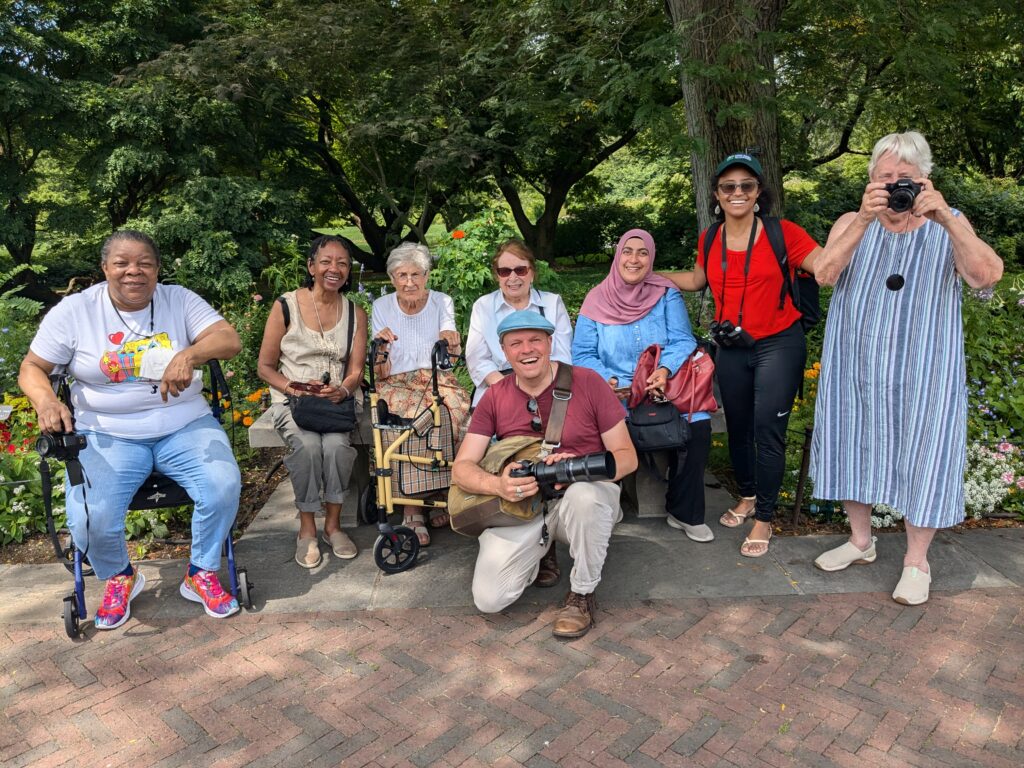
Wonderful community-building happens when communities explore nature together.
Their outreach is similarly creative. The team tables at community events, partners with trusted local organizations, and goes door-to-door through neighborhood bodegas, asking shop owners to post flyers. Programming includes bilingual educational materials, such as a Spanish-English guide to common NYC bird species.
After their initial NYCHA in Nature experiences, some residents later ask about bird feeders or creating small habitat patches near their windows. Others bring their families. One 6-year-old participant even keeps a meticulous list of the species he’s seen.
As spring approaches, NYCHA in Nature will again bring the wonder of wildlife and the excitement of discovery to NYCHA communities. If you’d like to bring this unique programming to your development — whether you’re an experienced birder or just want to look more deeply into the nature in your daily routine — reach out to Saman Mahmood at smahmood@nycbirdalliance.org. You don’t need any equipment or experience — just the feeling you’d like to look, connect, and be surprised by what’s already waiting right outside your door.