NYCHA Kicks Off Heat Season and Opens New Heating Technician Training Facility
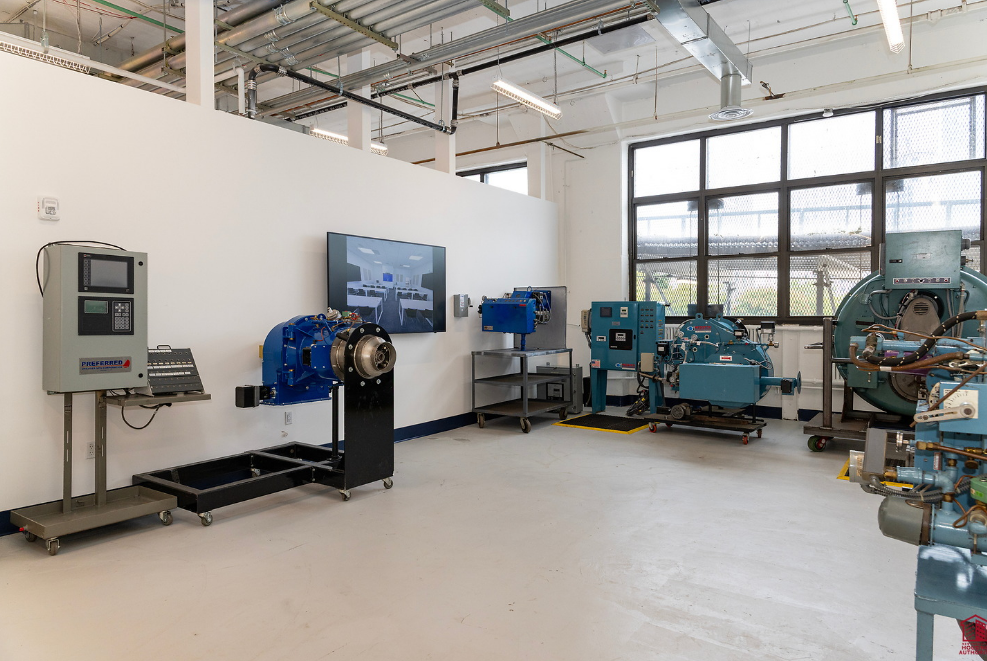
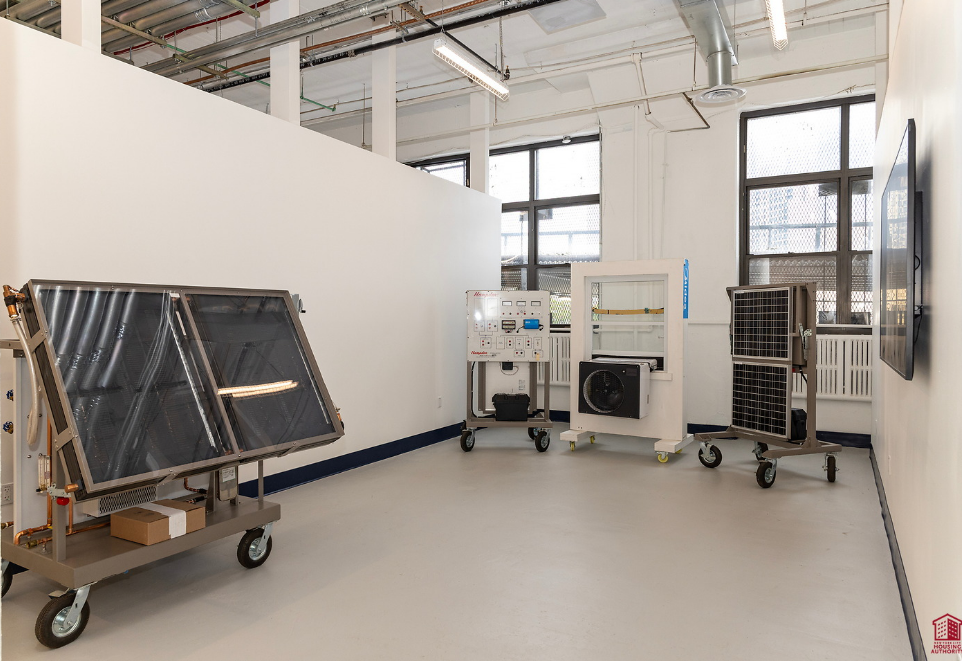
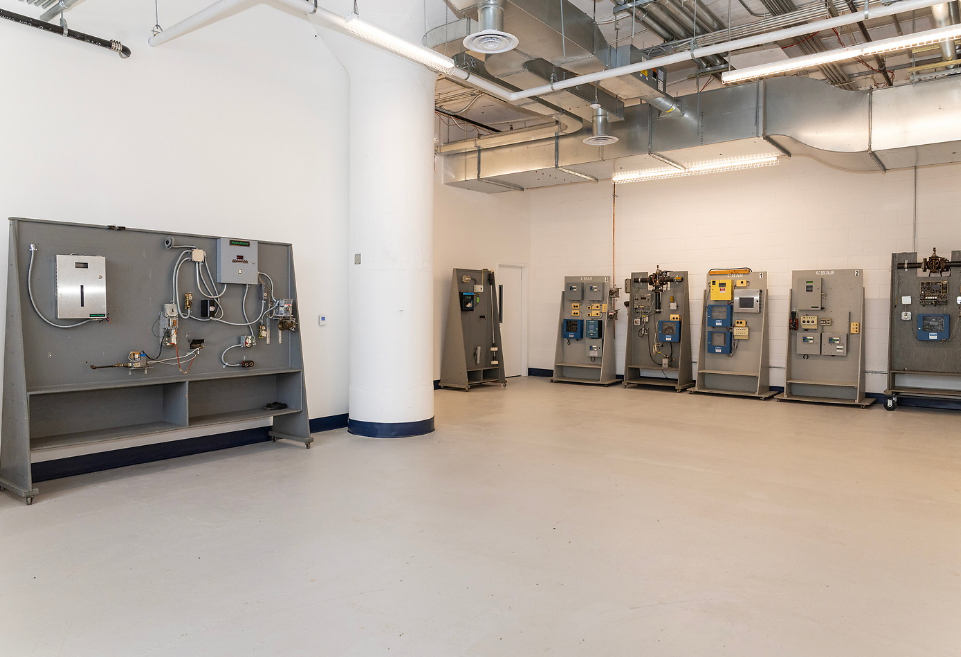
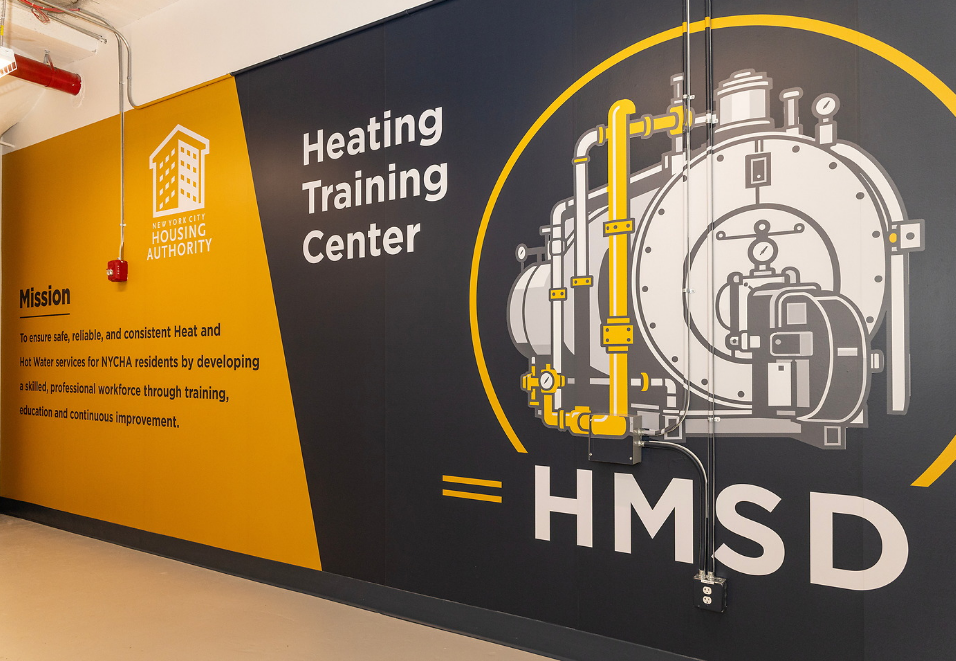
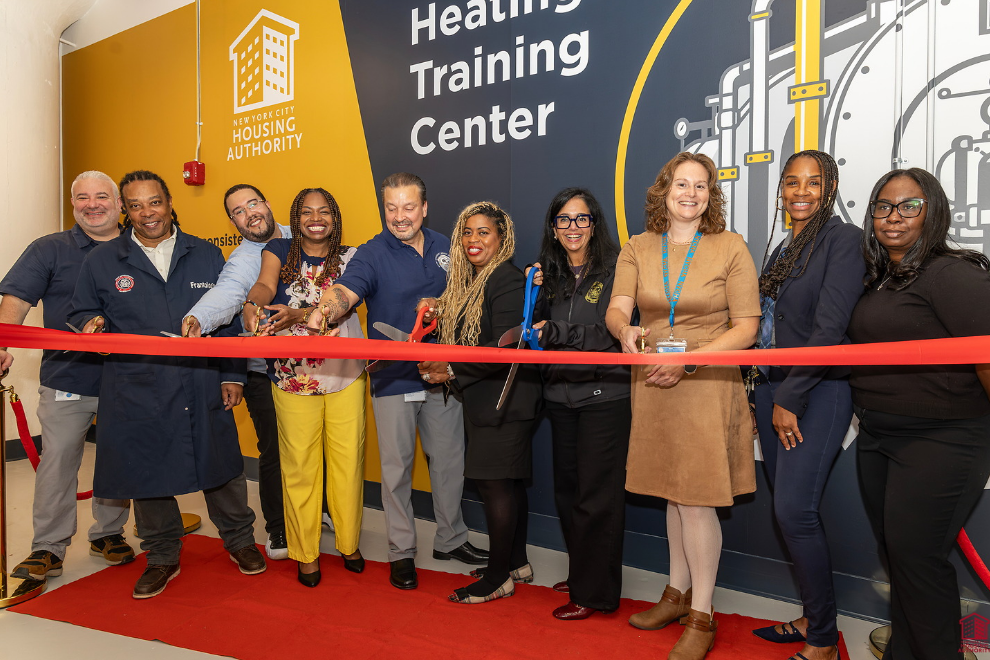
On October 1, NYCHA kicked off the start of the 2026-2027 heat season, which runs from October 1 through May 31, and cut the ribbon on a new Heating Technician Training Facility in Queens. Ahead of heat season, NYCHA’s Heating Management Services Department (HMSD) has worked throughout the year, performing preventative maintenance, inspections, and necessary repairs on 965 boilers, 1,472 hot water systems and 1,507 heat distribution systems, representing 100 percent of the Authority’s heating equipment. These proactive measures demonstrate NYCHA’s dedication to providing reliable heat and hot water service for residents while minimizing potential heat service disruptions and fulfilling the obligations of the 2019 Agreement with the U.S. Department of Housing and Urban Development (HUD). To further develop the capabilities of HMSD, the new, state-of-the-art heat training facility will train NYCHA employees on heating maintenance and operations. Located at NYCHA’s Long Island City facility, the 12,271-square-foot training facility includes classrooms and miniaturized versions of industrial heating equipment.
“Dedicated NYCHA heating staff work year-round to ensure the most consistent, reliable heating service possible, despite the challenges posed by aging boilers and equipment infrastructure,” said NYCHA Chief Executive Officer Lisa Bova-Hiatt. “Our heating technicians work diligently during the off-season to overhaul and service these systems, aiming to prevent service outages during the colder winter months, and work around-the-clock during winter heating season to promptly respond and restore service when issues arise.”
“NYCHA has performed extensive preventative maintenance in preparation for the winter ahead,” said NYCHA Chief Operating Officer Eva Trimble. “As many of our boilers and heating systems continue to age, it’s critical that they are expertly maintained to ensure the most effective and reliable service and keep residents comfortable during the coldest months of the year.”
“We’re thrilled to be unveiling this new heating training facility at the start of the 2026-2027 winter heat season,” said NYCHA Executive Vice President for Operations Support Services Keith Grossman. “This facility will be instrumental in providing frontline heating staff with the tools to improve the provision of reliable heat and hot water service to NYCHA residents.”
“Last winter, through major capital projects NYCHA invested $121 million in critical heating infrastructure upgrades at four developments,” said Chief Asset and Capital Management Officer Dylan Baker-Rice. “We also have over $728 million of investment nearing completion at 20 developments this winter. These investments are critical to ensure our buildings are providing reliable space heating and hot water to residents as many of our heating systems continue to age and heavily deteriorate.”
Throughout the winter heat season from October through May, all New York City building owners must maintain an indoor temperature of at least 68 degrees between 6 a.m. and 10 p.m. when it’s below 55 degrees outside. From 10 p.m. to 6 a.m., the indoor temperature must be at least 62 degrees, regardless of the temperature outside. Hot water must be kept at a minimum temperature of 120 degrees at the source year-round.
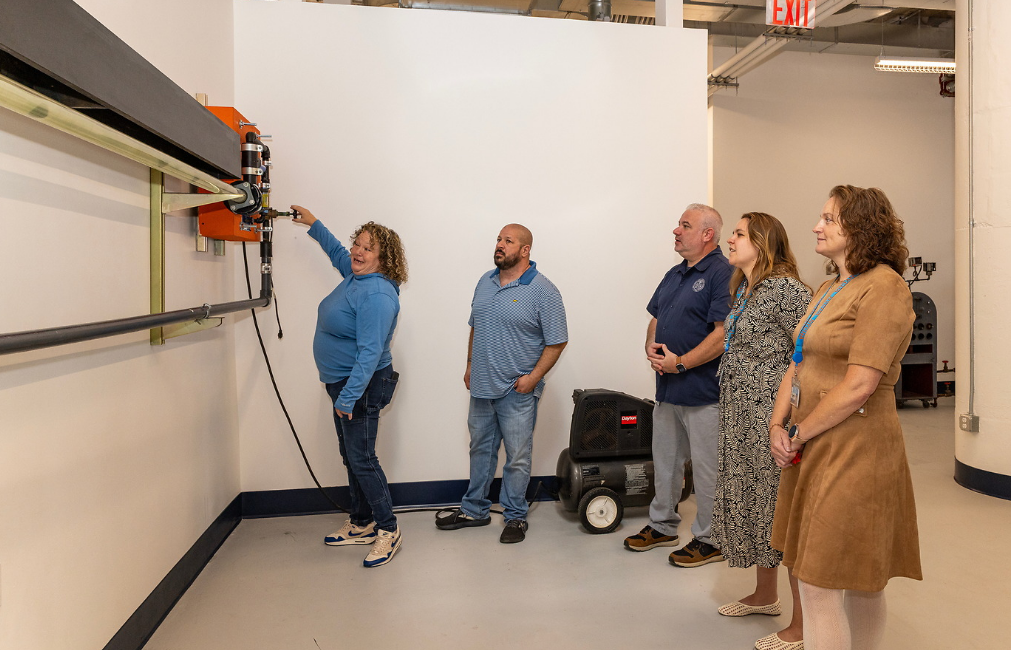
New for this heat season is NYCHA’s heating training facility, which will provide hands-on, experiential learning for all 654 active frontline heating employees and future hires.
Primarily funded through a HUD training grant as part of the monitorship agreement and NYCHA Transformation Plan, the facility replaces traditional classroom instruction with interactive environments where staff can work directly with actual heating equipment. Through troubleshooting exercises, vendor instruction, and guidance from internal and external subject-matter experts, employees will train on scenarios that simulate conditions encountered at NYCHA developments to strengthen technical competency and improve heating service for residents.
Beginning each February, HMSD conducts an extensive annual preventative maintenance process to preserve and restore equipment reliability. This entails cleaning, lubricating, adjusting, repairing and replacing worn components, and ensuring equipment and mechanical areas are in satisfactory operating condition. Each year, NYCHA also develops a list of critical heat and hot water equipment and systems needing replacement or extensive repair. The average age of NYCHA’s boilers is approximately 29 years old; the average expected useful life of boilers is approximately 25 to 30 years, so the work of boiler overhauls and upgrades, as well as preventative inspections, is critical to heat season operation.
The Authority’s Asset and Capital Management Department invested over $121 million in heating infrastructure upgrades at four developments since last winter, with an additional $728 million of investment at 20 developments nearing completion this winter. Additionally, the Heating Management Services Department has invested over $9.7 million this year repairing and replacing heating equipment to improve service for the upcoming season, with an additional $6.4 million committed to ongoing heating and hot water projects.
NYCHA has a reserve of staged and non-staged mobile boilers that can be activated in the event of a severe heating emergency. There are currently 22 mobile boilers connected to developments and four more that can be accessed and deployed if needed.
NYCHA is modernizing heating controls throughout our portfolio and is in the process of completing that work at an additional four developments through the end of the next heating season. Apartments now maintain a comfortable range of 72-74 degrees during the day and 69-71 degrees at night, with the heat coming on in cycles to prevent wide temperature variations and to save energy costs. Residents at these buildings will no longer need to open their windows to let out excess heat.
Following the 2025-2026 heating season, and as a result of the 2019 HUD Agreement, NYCHA has observed a six percent total decrease in heat or hot water outages from the 2021-2022 season and remains hours ahead of the HUD restoration requirement for the seventh year in a row, with a 7.8-hour average restoration time. Residents experiencing issues with heat or hot water should call the Customer Contact Center at 718-707-7771 or report the issue via the MyNYCHA mobile app or website.