NYCHA Celebrates Landmarks for Sustainability in 2025
On many levels, 2025 was a productive year on the sustainability front for NYCHA.
From new solar power installations and innovative waste disposal systems to expanding energy-efficient heating/cooling service and launching green infrastructure to reduce the impact of major storms, NYCHA and its partners marked a range of achievements that continue the Authority’s progress toward a more sustainable future.
NYCHA’s sustainability efforts focus on improving resident health and well-being, while making NYCHA properties more resilient for residents and surrounding communities and reducing the Authority’s carbon footprint.
“Sustainability efforts at NYCHA put residents first – our biggest sustainability wins address underlying building needs while improving our environmental impact,” Vice President of Sustainability Siobhan Watson said. “Our Clean Heat for All program, for example, improves comfort in apartments as it reduces our reliance on fossil fuels; and our cloudburst program improves outdoor spaces while mitigating the impact of extreme rains.”
Here are several of the sustainability achievements reached by NYCHA and its partners in 2025:
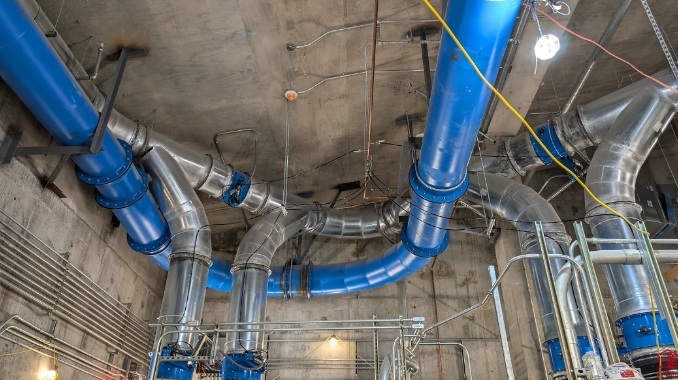
Waste management upgrades: NYCHA’s first pneumatic waste system at Manhattan’s Polo Grounds Towers is now fully installed and undergoing commissioning before final completion. The project fully modernizes trash collection and disposal methods at the campus by retrofitting the existing garbage chute in each building to enable vacuum-based depositing of refuse and recyclables through an underground pipe system. In addition, the Authority completed construction of 603 interior compactor rooms and seven waste yards that helped set standards for containerization and cleanliness across NYCHA campuses. NYCHA also progressed the design, procurement, and/or construction of more than 594 additional interior compactor rooms and 70 additional waste yards to be built as a part of the City Capital Action Plan.
Green infrastructure for stormwater mitigation: Construction was completed at NYCHA’s first cloudburst infrastructure installation at South Jamaica Houses in Queens. A partnership with the NYC Department of Environmental Protection, the project replaced two basketball courts with a new sunken court design that will help reduce the impact of flash floods and improve resiliency at the development. Elsewhere, NYCHA installed signage for flood protection infrastructure thanks to a FEMA Cooperating Technical Partners grant.
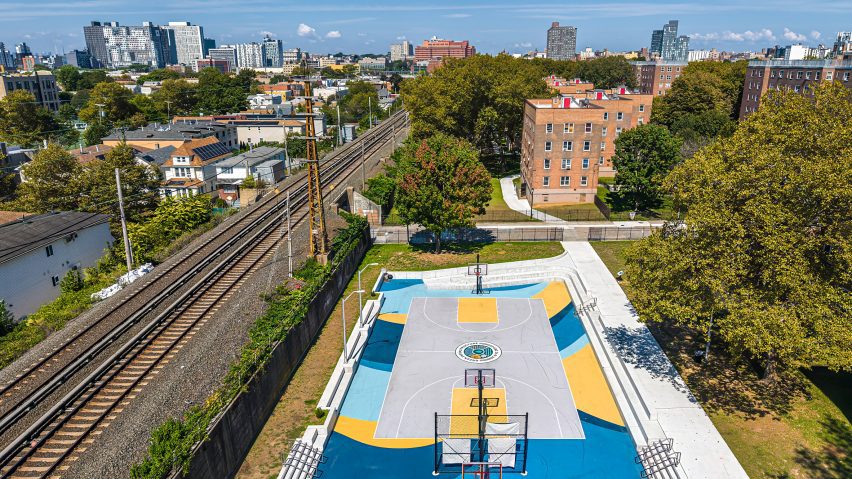
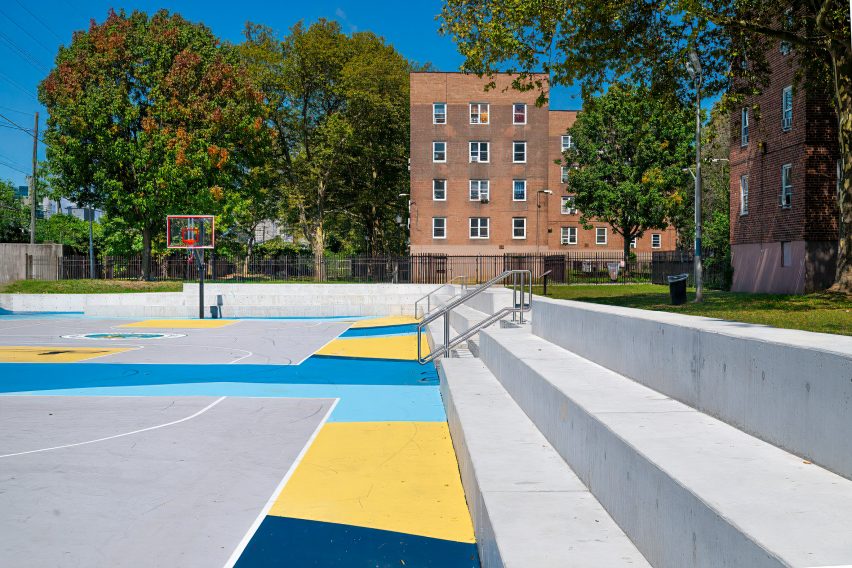
The cloudburst project at South Jamaica Houses features a sunken basketball court design to help reduce the impact of flash floods. (courtesy of Grain Collective)
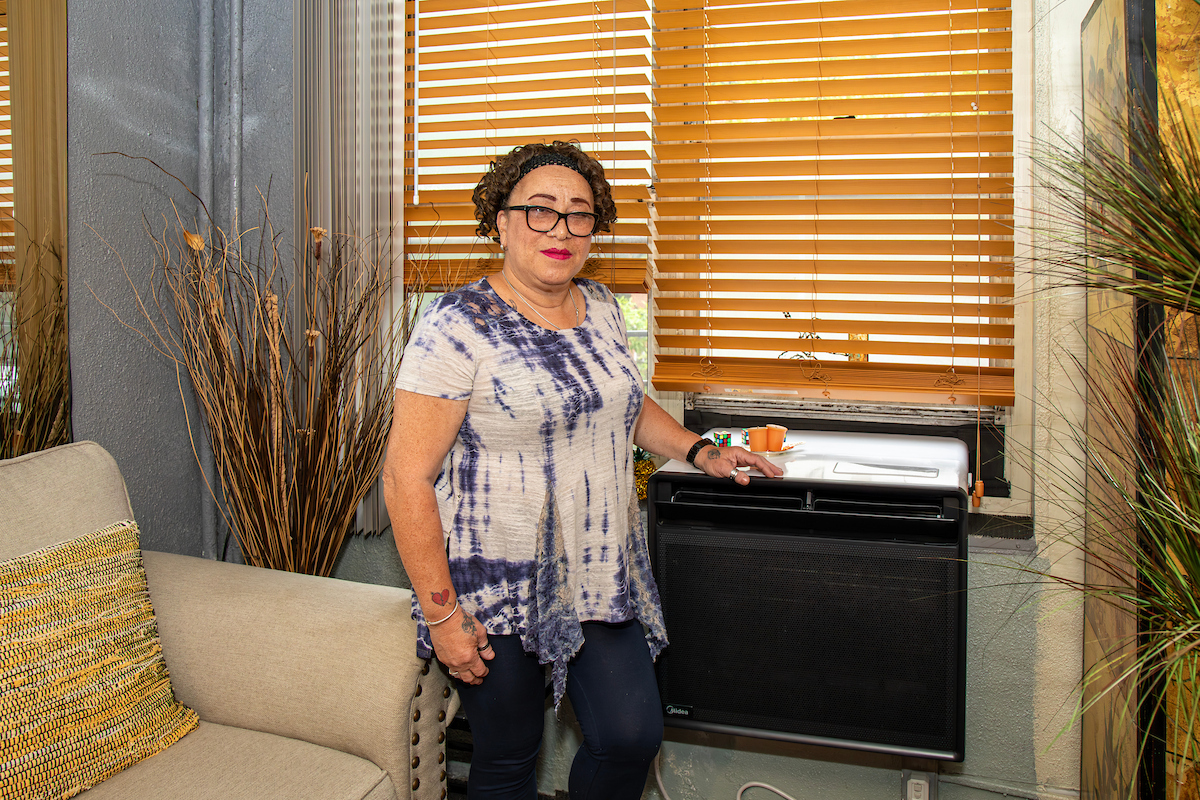
Energy-efficient heating and cooling: This year, NYCHA successfully completed its pilot program with Midea America Corp. to install window heat-pump units in apartments at Woodside Houses in Queens as part of the Clean Heat for All program. The heat pumps provide both electrified heating and cooling services in support of the Authority’s efforts to decarbonize buildings. In addition to the successful installation of 120 window units, NYCHA launched the first electric domestic hot water pod at Woodside’s Building 7. Project planning is also underway for 12,000 window heat-pump installations at Section 9 and Section 8 developments. Notably, Brooklyn’s Bay View Houses will receive the largest heating electrification conversion at a NYCHA development to date as part of comprehensive renovations planned under the Permanent Affordability Commitment Together (PACT) program, making use of the products developed through the Clean Heat for All program.
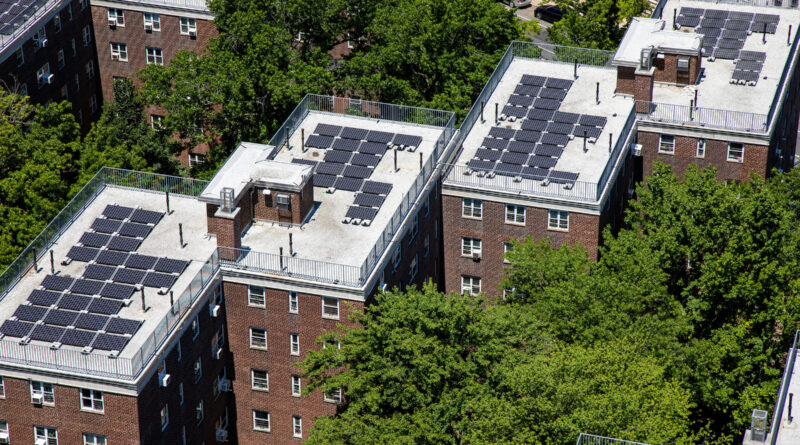
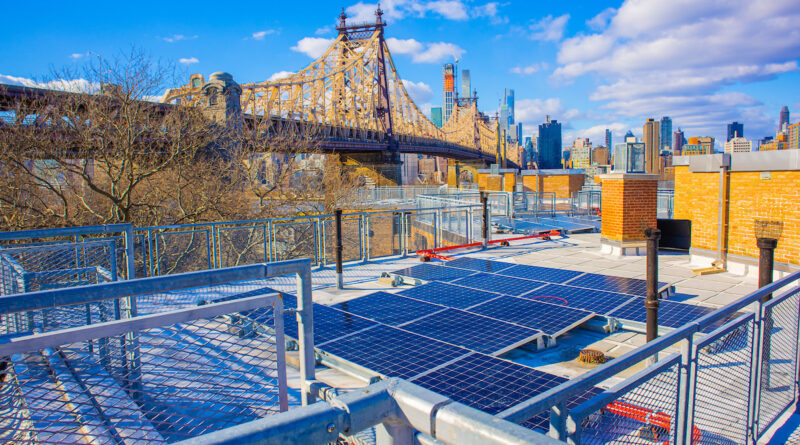
Solar programs: NYCHA initiated construction on community shared solar installations at four developments and signed leases to provide an additional 2 megawatts (MW) of solar power. In May, NYCHA announced the release of a new solicitation under the Accelerating Community Empowered Shared Solar (ACCESSolar) program, which seeks proposals from development teams to install solar arrays on 73 NYCHA buildings across eight developments in Brooklyn and the Bronx and builds on 19 MW of solar already installed, under construction, or in design.
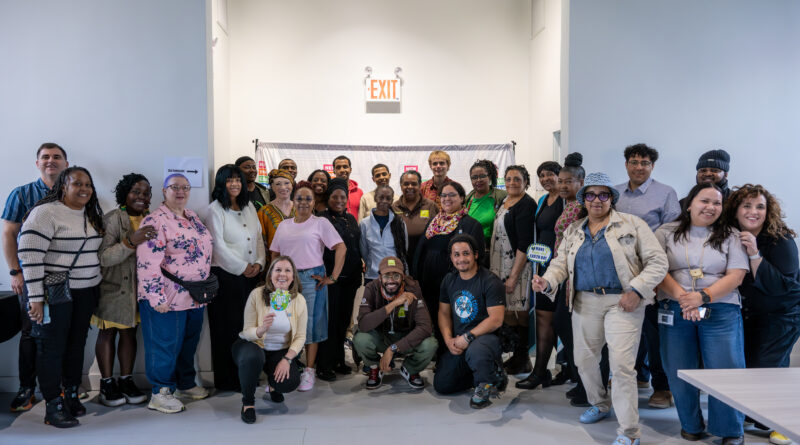
Clean Energy Academy: Three years after launching, the NYCHA Clean Energy Academy expanded to three separate cohorts in 2025 to help prepare residents for careers in the growing green economy. A partnership with the Public Housing Community Fund and Solar One, the program equips trainees with hands-on skills in sustainable building systems, solar panel installation, and energy-efficient heating and cooling systems. The initiative also includes ongoing post-training support, including career counseling and workplace readiness coaching.

Climate Action grants: NYCHA, the Public Housing Community Fund, and The New York Climate Exchange selected 17 resident-led initiatives across the city to receive up to $5,000 in funding as part of the third cohort of the Resident Climate Action Grant Program. The grants support resident efforts to deliver climate solutions and promote healthier and more resilient communities. Projects in 2025 included the expansion of community gardens and urban agriculture, composting and recycling education, and green job training for youth. Other projects focused on climate storytelling and cultural preservation, environmental justice and health equity, indoor air quality and pest mitigation, and creative public engagement through art, music, and community events.
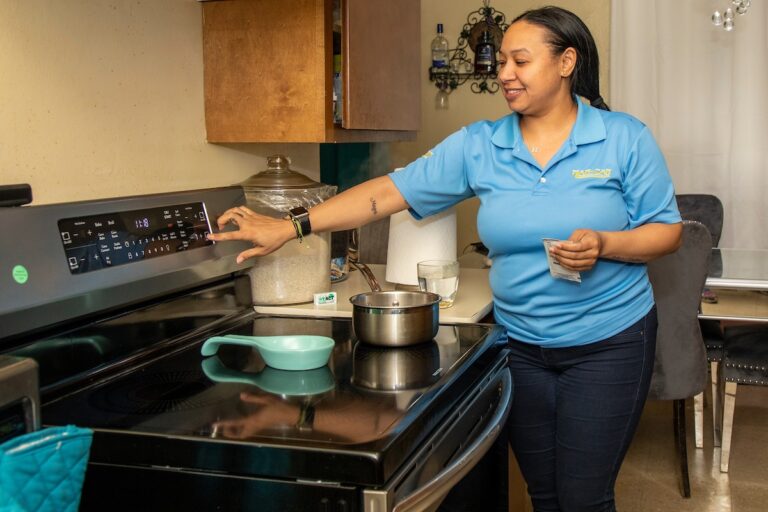
Electric induction stoves: In November, NYCHA, the New York Power Authority, and the New York State Energy Research and Development Authority announced the next phase of the Induction Stove Challenge after a contract signing with appliance manufacturer Copper to eventually produce 10,000 new energy-efficient induction stoves for use in public housing. Copper will initially produce 100 of the electric units during the pilot phase. The initiative aims to improve air quality in apartments by replacing existing gas stoves.
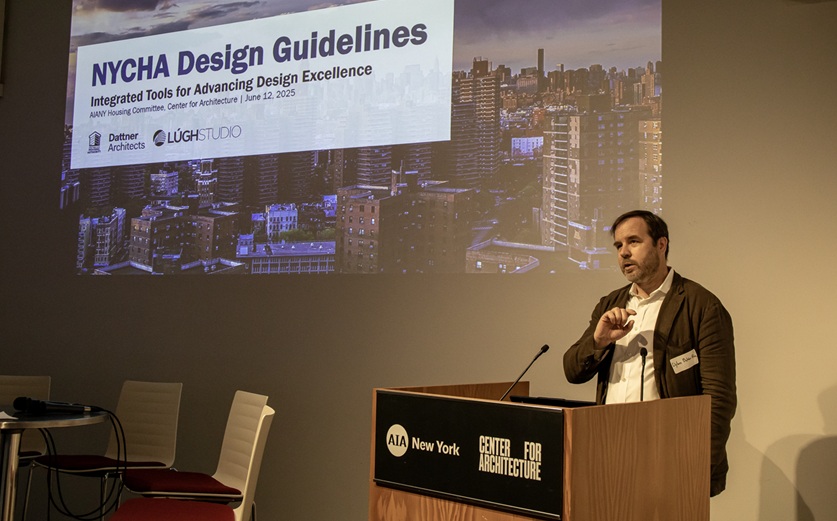
Design Guidelines: In June, NYCHA unveiled its updated Design Guidelines, which inform modernization projects for residential buildings. The interactive website formalizes the Authority’s modern design focus on high-quality housing and building performance, resident health and well-being, and climate mitigation and adaptation. In addition, the 2025 Guidelines ensure portfolio-wide consistency and integrate sustainability and resiliency considerations.